Seamless Living: Hidden Intelligence in Every Line

Today we dive into Invisible Smart Home Integration Through Precision Paneling and Trim, revealing how lighting, audio, sensors, and networking disappear into refined millwork while remaining reliable and serviceable. Expect practical methods, honest lessons, and creative tricks from real installations. Join the conversation, ask questions, and subscribe to follow new builds, material experiments, and thoughtful approaches that celebrate craftsmanship as much as technology.

Design Principles That Disappear in Plain Sight
Sightlines and Shadow Gaps

Train your eye to see the room the way the visitor first will: from the entry, seated positions, and daily walking paths. Shadow gaps can hide micro-vents, slim speakers, and cable exits while reading like deliberate design accents. Keep gaps consistent, avoid odd widths, and align cutouts with architectural rhythm. Hidden never means random; it means disciplined composition guiding attention elsewhere.

Material Pairings for Camouflage

Train your eye to see the room the way the visitor first will: from the entry, seated positions, and daily walking paths. Shadow gaps can hide micro-vents, slim speakers, and cable exits while reading like deliberate design accents. Keep gaps consistent, avoid odd widths, and align cutouts with architectural rhythm. Hidden never means random; it means disciplined composition guiding attention elsewhere.

Serviceability Without Compromise

Train your eye to see the room the way the visitor first will: from the entry, seated positions, and daily walking paths. Shadow gaps can hide micro-vents, slim speakers, and cable exits while reading like deliberate design accents. Keep gaps consistent, avoid odd widths, and align cutouts with architectural rhythm. Hidden never means random; it means disciplined composition guiding attention elsewhere.

Wiring, Power, and Ventilation Behind the Finish
The quiet beauty of flush installations relies on unglamorous infrastructure work. Low-voltage paths, proper grounding, surge protection, and distributed power negate bulky power bricks at the wall. Ventilation slots and baffle channels whisper away heat without visual clutter. Plan for conduit growth because tomorrow’s bandwidth and sensors always want more space. Reliability is the ultimate aesthetic; it looks like nothing and works every day.

Touch, Tap, and Gesture Within Trim

Behind a continuous rail, capacitive pads can detect taps and swipes that map to lighting levels or media volume. A small tactile notch guides fingers in the dark. Haptic motors provide subtle confirmation without lights or sounds. Test for false touches from leaning elbows and curious pets. Calibrate sensitivity seasonally, because humidity and finishes affect capacitance and the perceived reliability of magic.

Voice, Presence, and Context

A perfectly hidden microphone is still a human presence in private space. Use on-device processing where possible, and allow hardware muting that truly cuts power to microphones. Presence sensors can bias scenes toward likely needs, but always offer manual control. Context means mornings differ from evenings; the home should understand that. Make choices reversible, understandable, and respectful, so trust deepens rather than erodes.

Accessible Controls for Every User

Invisible must never mean inscrutable. Pair subtle controls with consistent locations, tactile cues, and fallback wall stations clearly discoverable by guests. Offer large-type mobile dashboards and voice alternatives for users with mobility or vision challenges. Maintain simple, printed quick guides in a drawer. When a home invites everyone to succeed, the technology becomes hospitality, not a puzzle only the installer understands.

Case Studies from Real Homes
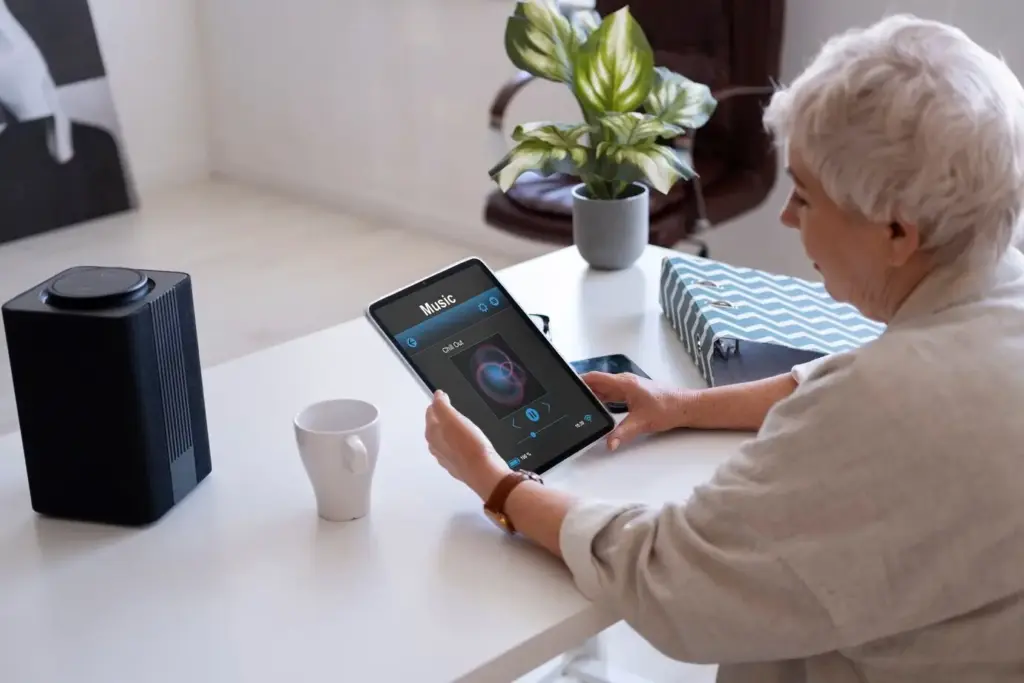
Stories carry lessons that diagrams miss. These homes demonstrate how careful trim profiles, patient coordination, and honest constraints create results that feel inevitable rather than forced. Budgets varied, timelines slipped, surprises appeared inside walls, and yet outcomes still delighted. Each example includes a misstep we would correct next time, because refinement grows from candor more than perfect renderings and marketing language.

Townhouse with Flush Audio

A narrow Victorian townhouse wanted full-house audio without visible speakers. We routed shallow channels in custom crown, creating a continuous acoustic slot backed by distributed transducers. The builder worried about resonance, so we tested damping fabrics behind the reveal. Service hatches hide tiny amplifiers with labeled connectors. The owner’s favorite detail is hearing music bloom from nowhere during dinners, with no grilles in sight.

Mountain Cabin with Discreet Lighting

Knotted timber beams begged for quiet lighting. Instead of cans, we milled micro-coves along beam edges, seating warm LED tape behind knife-edge trim. Snowy nights reflected gentle light without glare. A winter heat wave tried the drivers, but hidden vents in the baseboard kept temperatures sane. Guests hunt for switches, then smile when a small wood peg toggles a calm, welcoming glow.

Installation Playbook for Builders and Makers
Preconstruction Coordination

Gather architect, designer, electrician, millworker, and integrator around the same table to walk through every elevation. Decide who owns each cavity, access panel, and vent. Tag conflicts in shared models, then build a single full-scale mockup corner. Photograph everything, annotate measurements, and publish a living checklist. Coordination is not bureaucracy; it is how elegance survives schedules, budgets, and the physics within walls.

Precision Carpentry Meets Electronics

Electronics forgive little, and wood moves a lot. Millwork tolerances must anticipate seasonal expansion so panel seams stay aligned with sensor windows and speaker slots. Use jigs to repeat exact cutouts, and mask edges before routing to prevent tear-out. Dry-fit devices, verify clearances for plugs, and install strain reliefs. If you can remove it with two screws and no prayer, you built it right.

Commissioning and Handover Rituals

Treat handover as a ceremony, not a goodbye. Walk the household through controls, print maintenance schedules, and demonstrate manual overrides. Log firmware versions and store recovery files on a labeled USB inside the service cavity. Simulate failures deliberately, then resolve them together. Invite feedback after a month of living. When everyone trusts the system, it fades beautifully into daily routines without anxiety.

Future-Proofing and Ethical Considerations

Technology changes; values should not. Build modular bays, standard connectors, and generous conduits so upgrades require curiosity, not demolition. Choose materials with repairable finishes and documented sourcing. Protect privacy through local processing and transparent settings. The quiet beauty of hidden systems is also moral clarity: a home that cares for its people, its data, and its resources while welcoming the next generation of ideas.

Upgrades Without Dust

Design cavities as tool-less as possible. Magnetic panels, plug-in harnesses, and labeled rails allow swapping a hub or amplifier in minutes. Keep spare blank plates for future modules, already color-matched and grain-aligned. Store an as-built packet behind an interior panel for the next installer. If progress requires drop cloths and apologies, the original design forgot that homes evolve as gracefully as styles do.

Privacy by Architecture

Minimize microphones in sensitive rooms and allow physical shutters for cameras. Favor local processing for routine automations, then encrypt whatever leaves the house. Provide visible, reliable kill switches tied to power, not just software toggles. Publish a simple privacy brief for residents and guests. When architecture sets the boundaries, people relax, and invisible systems feel like considerate companions rather than watchful strangers.
Nelevalaxananimale
Privacy Overview

This website uses cookies so that we can provide you with the best user experience possible. Cookie information is stored in your browser and performs functions such as recognising you when you return to our website and helping our team to understand which sections of the website you find most interesting and useful.